Understanding Your Hospital Journey: How to Stay Informed and in Control from Admission to Aftercare

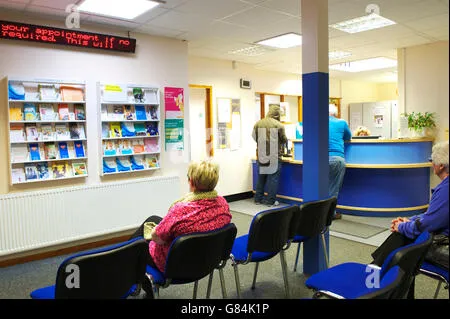
Photo: Mark Kerr, CC BY 2.0, via Wikimedia Commons
For most people, a hospital admission represents one of the most significant encounters they will have with the NHS. Whether you are attending for a planned procedure, following an urgent referral from your GP, or arriving through an emergency department, the experience can feel simultaneously clinical and bewildering. Corridors of unfamiliar faces, specialist terminology, and the sense that decisions are being made at pace without full explanation — these are experiences that many UK patients recognise.
Yet the hospital environment need not be one in which you are a passive recipient of care. At every stage of your journey — from the moment a referral is made to the weeks following discharge — you have both the right and the capacity to be an active participant in your treatment. This guide sets out what to expect at each phase and how to communicate effectively with the teams responsible for your care.
Before You Arrive: Making the Most of the Referral Process
Most planned hospital admissions begin with a GP referral, typically made through the NHS e-Referral Service. Under current NHS England guidance, patients referred for non-urgent consultant-led treatment have the right to choose from a range of providers, including hospitals outside their immediate area. This is a right that is frequently underused, often because patients are not aware it exists.
Before your appointment is confirmed, it is worth asking your GP the following:
- Why is this particular hospital or department being recommended?
- What is the likely waiting time, and does it vary between providers?
- What information will be shared with the hospital, and is there anything you should bring?
Requesting a copy of your referral letter is entirely reasonable. Understanding what your GP has communicated to the specialist team gives you a clearer sense of how your case has been framed and allows you to identify anything that may have been omitted.
Arriving at the Hospital: First Points of Contact
Admission processes vary depending on whether your attendance is elective, urgent, or emergency. For planned admissions, you will typically receive a pre-assessment appointment in advance, during which nursing staff will review your medical history, confirm your current medications, and carry out baseline observations. This is an important opportunity — not merely an administrative formality.
If you take regular medications, bring a complete, up-to-date list, including over-the-counter preparations, supplements, and any medicines prescribed by specialists other than your GP. Discrepancies in medication records are among the most common sources of preventable error in hospital settings, and a clear written list reduces that risk considerably.
If you have not received pre-assessment information or are unclear about what to expect on the day, contact the relevant ward or admissions team directly. Most hospitals have a dedicated pre-operative assessment unit, and staff are generally willing to answer straightforward queries in advance.
On the Ward: Understanding Who Is Caring for You
One of the aspects of hospital care that patients most frequently find confusing is the sheer number of clinicians involved. A consultant surgeon, a junior doctor, a specialist registrar, a ward nurse, a healthcare assistant, a physiotherapist, and a pharmacist may all play a role in your care within a single day — and it is not always apparent who holds overall responsibility.
In NHS hospitals, the consultant is the senior clinician with overall accountability for your care. However, much of the day-to-day clinical decision-making is carried out by junior doctors and registrars working under the consultant's supervision. It is entirely appropriate to ask the name and grade of any clinician who attends you, and to understand what their role is in your treatment.
Ward Rounds and How to Use Them
The ward round — typically conducted once or twice daily — is the primary opportunity for the medical team to review your condition and discuss your treatment plan. These rounds can be brief, and patients sometimes feel they have little time to ask questions. However, this is precisely the moment at which your input matters most.
If you are able, prepare two or three specific questions before the ward round. Write them down if necessary. Common and legitimate questions include:
- What is the current working diagnosis, and has anything changed since yesterday?
- What is the plan for today, and what are we hoping to achieve?
- When is it anticipated that I might be ready for discharge, and what conditions need to be met?
If a decision is made that you do not understand, ask for clarification before the team moves on. You are not obliged to accept an explanation that remains unclear to you.
When Something Does Not Feel Right: Escalating Concerns
Patients and their families are often the first to notice a deterioration in condition that clinical staff, managing multiple patients across a busy ward, may not immediately identify. Trusting that instinct and knowing how to act on it is a vital skill.
Most NHS trusts operate a system that allows patients or relatives to escalate concerns directly if they believe a patient's condition is worsening and is not being adequately addressed. This may be known by names such as "Patient Safety Hotline," "Nurse in Charge," or a dedicated rapid response number. Ask at the start of your admission whether such a system exists at your hospital and how to access it.
If you feel that a concern is not being taken seriously at ward level, you can request to speak with the ward sister or charge nurse, the bed manager, or the Patient Advice and Liaison Service (PALS), which is available in every NHS trust and provides a confidential channel for raising concerns without triggering a formal complaint.
Preparing for Discharge: The Stage Patients Most Often Underestimate
Discharge from hospital is frequently the point at which continuity of care is most vulnerable. Patients may be sent home with new medications they do not fully understand, follow-up appointments that have not been clearly arranged, or wound care instructions that were explained once, quickly, at a moment of fatigue.
Before you leave the ward, ensure you have clear written information on the following:
- Medication changes: Which medications have been started, stopped, or adjusted, and why?
- Follow-up appointments: When, where, and with whom? Has your GP been notified?
- Signs to watch for: What symptoms should prompt you to seek further care, and through which route — your GP, a walk-in centre, or directly to the hospital?
- Discharge summary: You are entitled to a copy of your discharge summary, which outlines your diagnosis, treatment received, and recommended follow-up. Request one before you leave if it has not been offered.
If you are being discharged to the care of a family member or carer, ensure that person is present for the discharge conversation, or that they receive the same written information you do.
After Hospital: Ensuring Nothing Falls Through the Cracks
The period immediately following discharge carries its own risks. Studies consistently show that the first thirty days after leaving hospital represent a window of heightened vulnerability, particularly for older patients and those with complex conditions.
Contact your GP surgery within a week of discharge to confirm that they have received your discharge summary and are aware of any changes to your care plan. If a follow-up outpatient appointment has been promised but you have not received confirmation within a reasonable timeframe, chase it proactively — do not assume the referral has been processed automatically.
If your condition deteriorates or you have concerns about your recovery, do not hesitate to seek advice. The instinct to avoid "bothering" the GP after a hospital stay is understandable, but it can delay the identification of complications that are far more straightforward to address when caught early.
Your Role in Your Own Care
The NHS functions best as a partnership. Clinicians bring expertise, training, and clinical judgement; patients bring knowledge of their own bodies, their priorities, and the context of their lives outside the hospital. Neither is sufficient alone.
Advocating for yourself — asking questions, requesting explanations, ensuring follow-up is confirmed — is not an imposition on busy clinical staff. It is a legitimate and important part of how safe, effective care is delivered. At Doctors for Patients UK, we are committed to ensuring that every patient understands not only their rights within the NHS, but the practical means by which those rights can be exercised at every stage of their care.